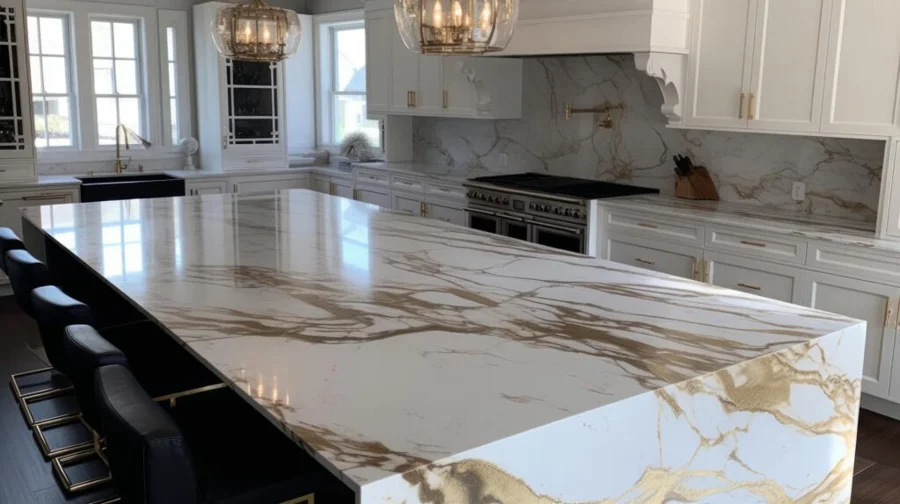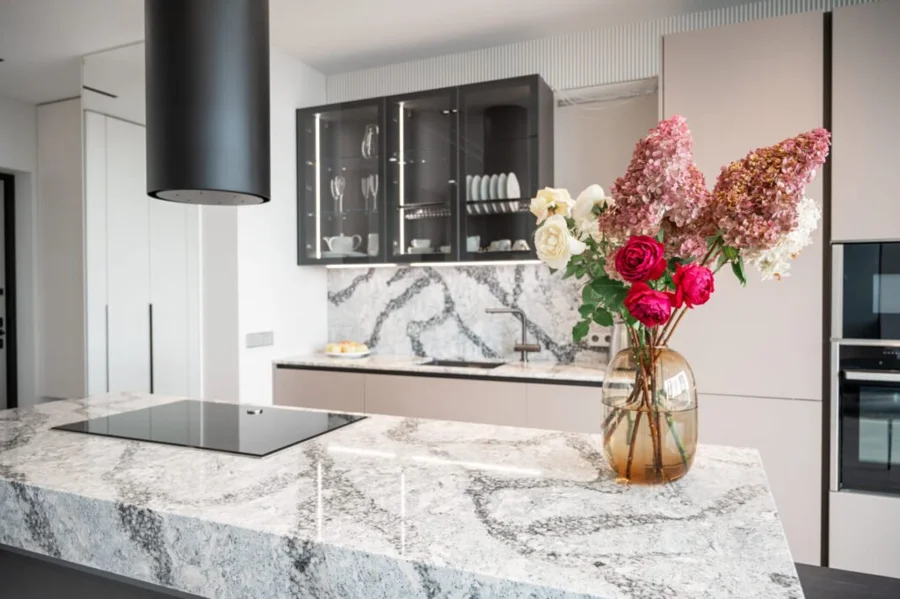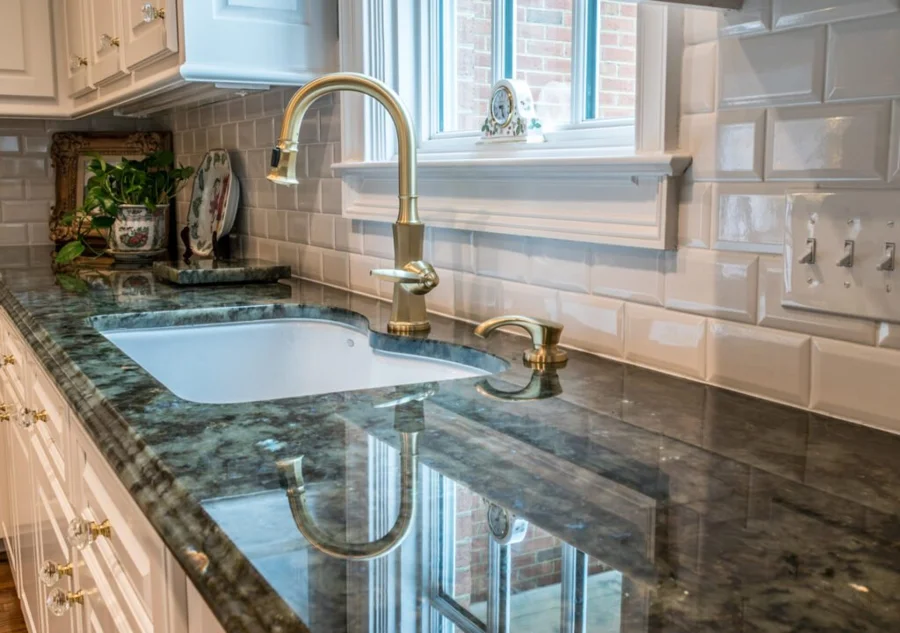

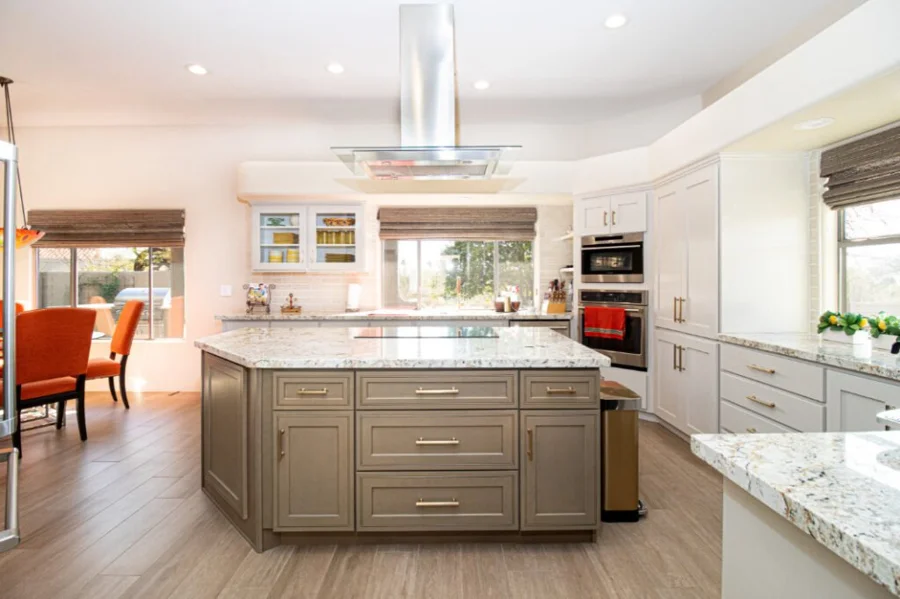
Quartz, granite, Dekton, soapstone, stainless steel, concrete, porcelain, and solid surface can all serve a hardworking kitchen, but they are durable in different ways. Some resist scratches better; others handle heat well or can be refinished. The best choice depends on the type of wear you expect and the maintenance you are comfortable doing.
What does countertop durability mean?
A countertop can resist staining yet scratch more readily than another surface. It can tolerate heat while still being vulnerable to an impact at an exposed edge.
Look at scratch resistance, heat tolerance, stain resistance, and repair options separately. Include the quality of support and installation, because material selection is only one part of a lasting countertop.
This guide compares eight familiar options rather than presenting a laboratory ranking. Dekton is a branded ultracompact surface, while porcelain is a broader material category; they are discussed separately because homeowners encounter both when shopping.
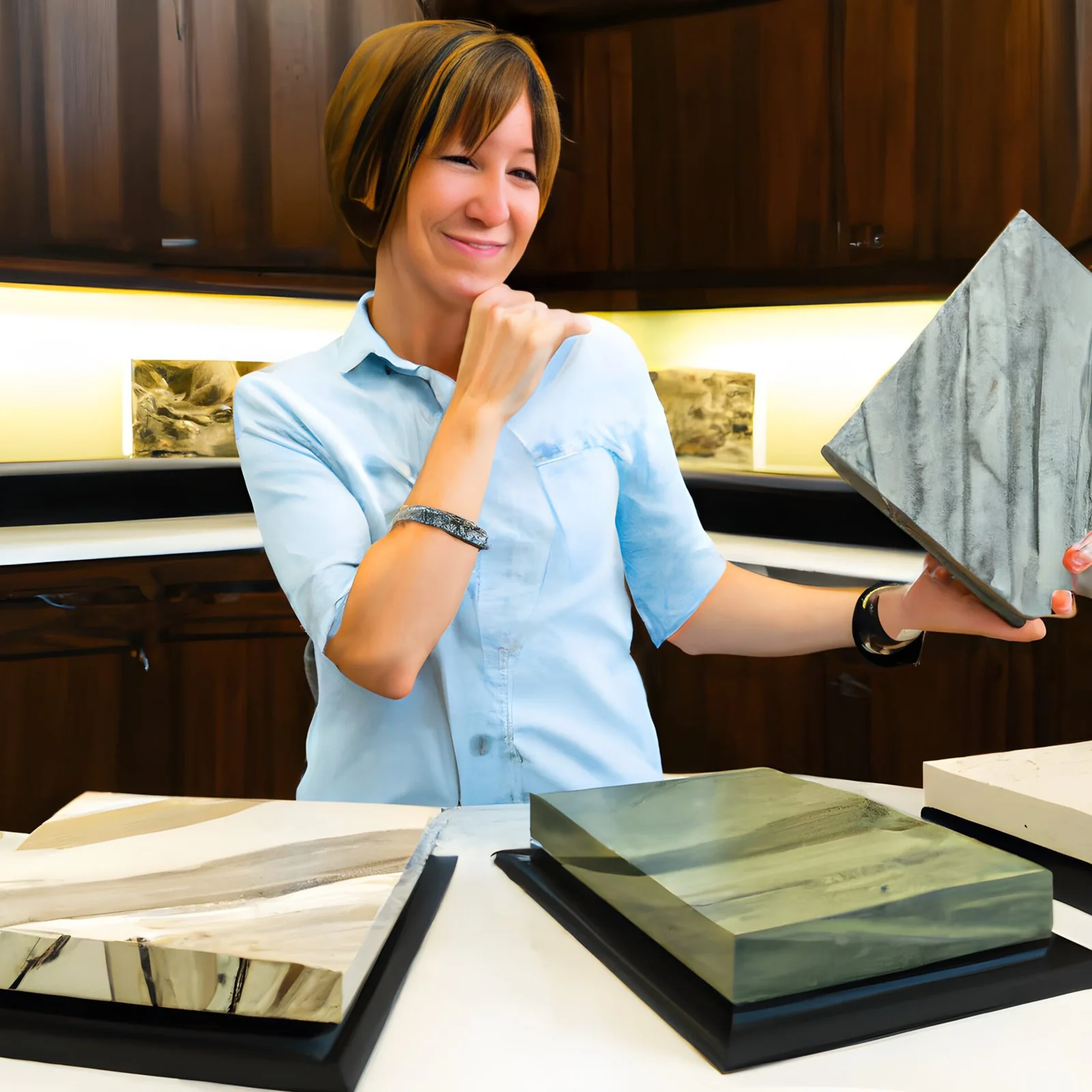
Eight options and the tradeoffs behind them
1. Quartz: practical upkeep with heat precautions
Quartz countertops offer an engineered, nonporous surface and many design options. They are useful when you want stain resistance without routine sealing.
Protect them from direct or sustained heat, and use cutting boards. Their durability does not make them immune to edge chips, scratches, or damage from unsuitable cleaners.
For a kitchen used throughout the day, the combination of appearance and manageable care can be appealing. Confirm the instructions for the exact product rather than treating all quartz collections as interchangeable.
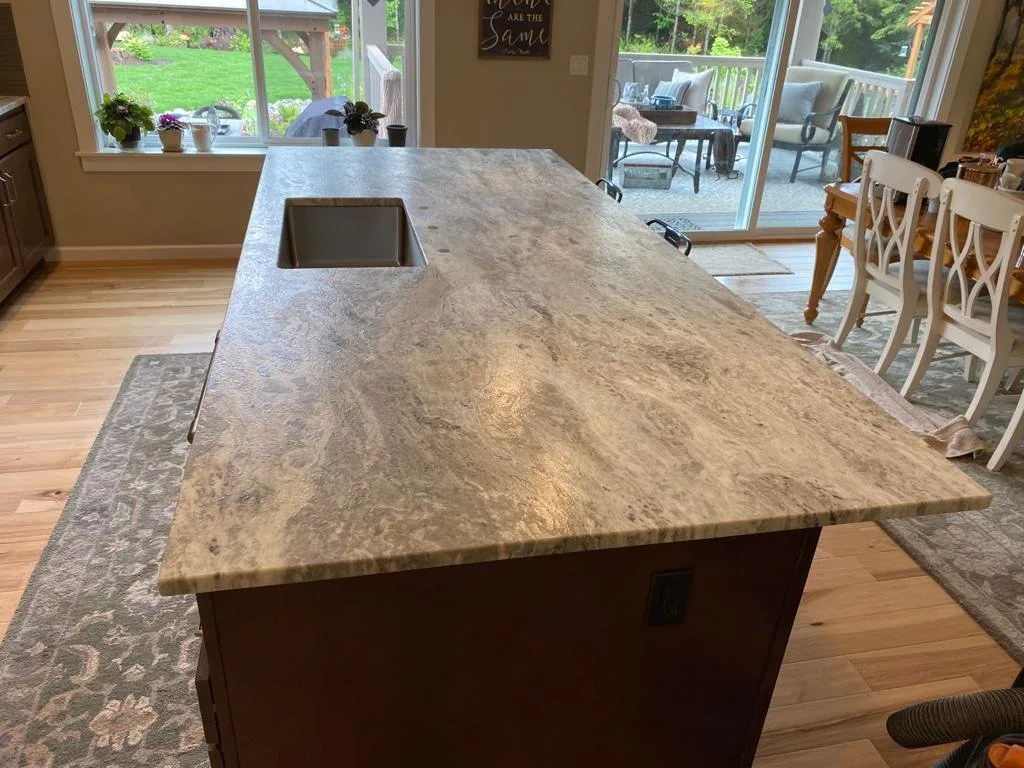
2. Granite: natural variation and strong everyday performance
Granite countertops combine the character of an individual natural slab with good resistance to everyday wear. They generally tolerate heat better than resin-bound quartz, though heat protection remains a sensible habit.
Absorption and sealing needs vary by stone. Ask about the selected slab's treatment and maintenance instead of assuming every granite requires identical care.
Granite makes sense when you enjoy natural mineral patterns and want to choose the actual slab. Review exposed edges and the installation layout along with the surface appearance.
3. Dekton: high resistance with careful edge planning
Dekton is Cosentino's ultracompact surface. Its manufacturer care guide describes resistance to heat, stains, scratching, and UV exposure.
Those performance characteristics do not make an installed piece indestructible. Edge details, supports, cutouts, and installation need to follow the product's requirements.
Compare the complete application, especially if you are considering thin profiles or outdoor use. Confirm the selected finish and installation specification with a qualified provider before making the design final.
4. Soapstone: resilient character that can show wear
Soapstone countertops appeal to homeowners who like a softer-looking natural surface and the character that develops with use. The material is nonporous and handles heat well, but it scratches more readily than harder stones.
Oil or wax can be used to change or even out its appearance according to supplier guidance. That is an aesthetic treatment rather than routine sealing for porosity, as illustrated in Vermont Soapstone's material guidance.
Choose soapstone because you appreciate its character, not because you expect it to remain visually unchanged. Ask how marks can be evaluated and addressed on your selected stone.
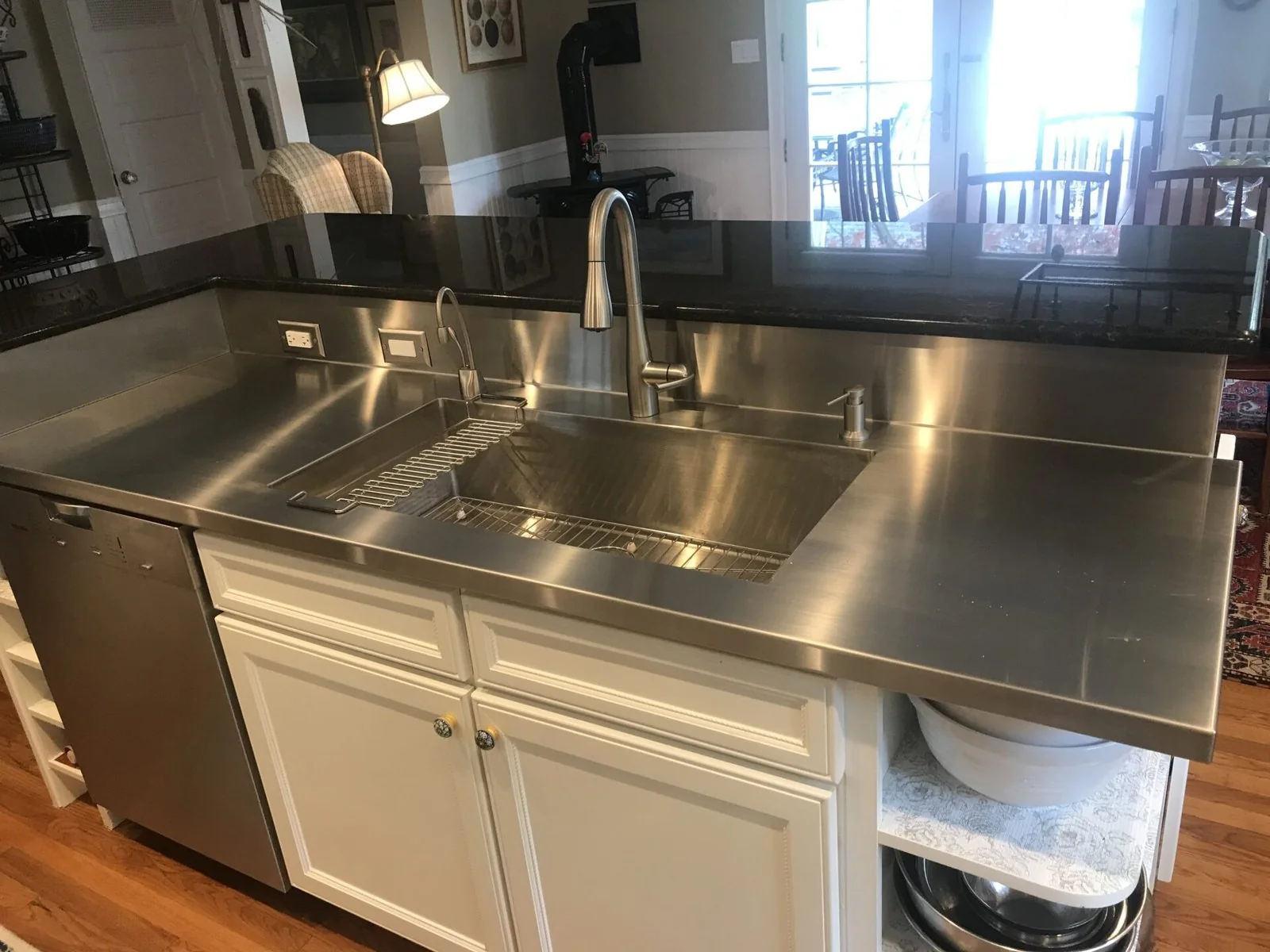
5. Stainless steel: a working surface with visible wear
Stainless steel suits a kitchen where an industrial appearance and a practical work area are part of the design. Integrated sink and backsplash details can be considered with a specialist fabricator.
Scratches, water marks, and dents are possible, so it should not be described as damage-proof. Its evolving surface may appeal to one homeowner and frustrate another.
Compare finishes and ask for the cleaning instructions. Seeing a used example can be more informative than judging a freshly polished sample alone.
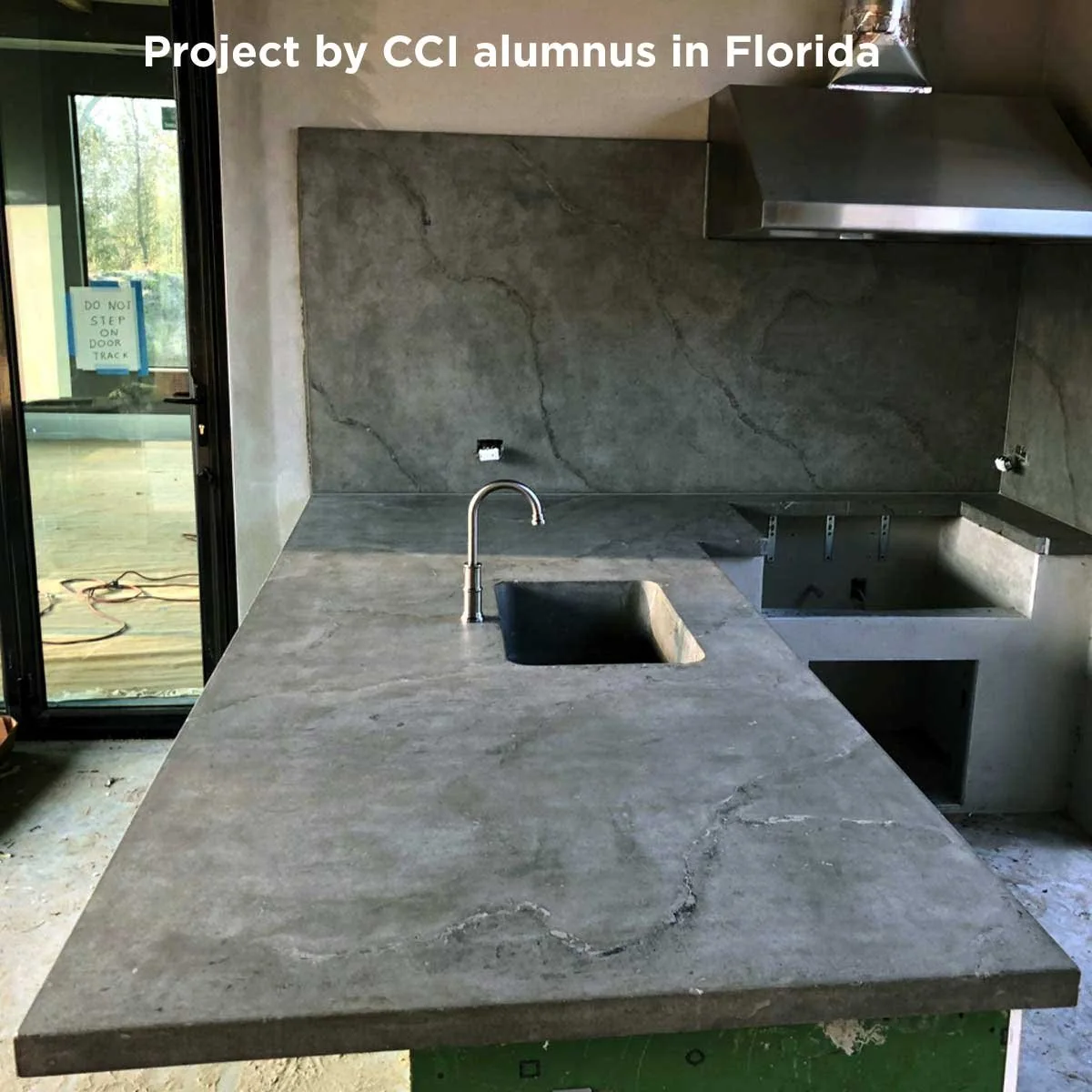
6. Concrete: customization that depends on the finish system
Concrete can be shaped and colored for a particular design. Its character often comes from the combination of casting, finish, and the way the material develops over time.
The sealer plays an important role in everyday stain and scratch performance. The Concrete Countertop Institute explains the tradeoffs between protective treatments and how they respond to wear.
Ask about maintenance, cracking expectations, and repair before selecting concrete. The durability of the underlying material does not tell you everything about the finished working surface.
7. Porcelain: a hard surface that still needs careful handling
Porcelain slabs offer low absorption and resistance to many everyday stains and heat exposures. They can be considered for a crisp profile or a large surface with a printed stone-inspired design.
Hardness does not prevent edge damage from a concentrated impact. Confirm the material thickness, support, cutout details, and edge treatment with the fabricator.
Look closely at how the face pattern meets the edge. The finished appearance depends on the selected product and construction method, not simply on the image printed across the slab.
8. Solid surface: repairability as part of durability
Solid surface combines mineral fillers with resins and can offer a visually continuous appearance with carefully joined pieces. It is a different material category from engineered quartz, even when brand names overlap.
It can scratch and is vulnerable to hot cookware, but professional refinishing may address certain types of wear. Corian's use and care guidance explains precautions and repair possibilities.
That makes it worth considering when renewability matters more than maximum scratch resistance. Confirm what can realistically be repaired in the selected product and finish.
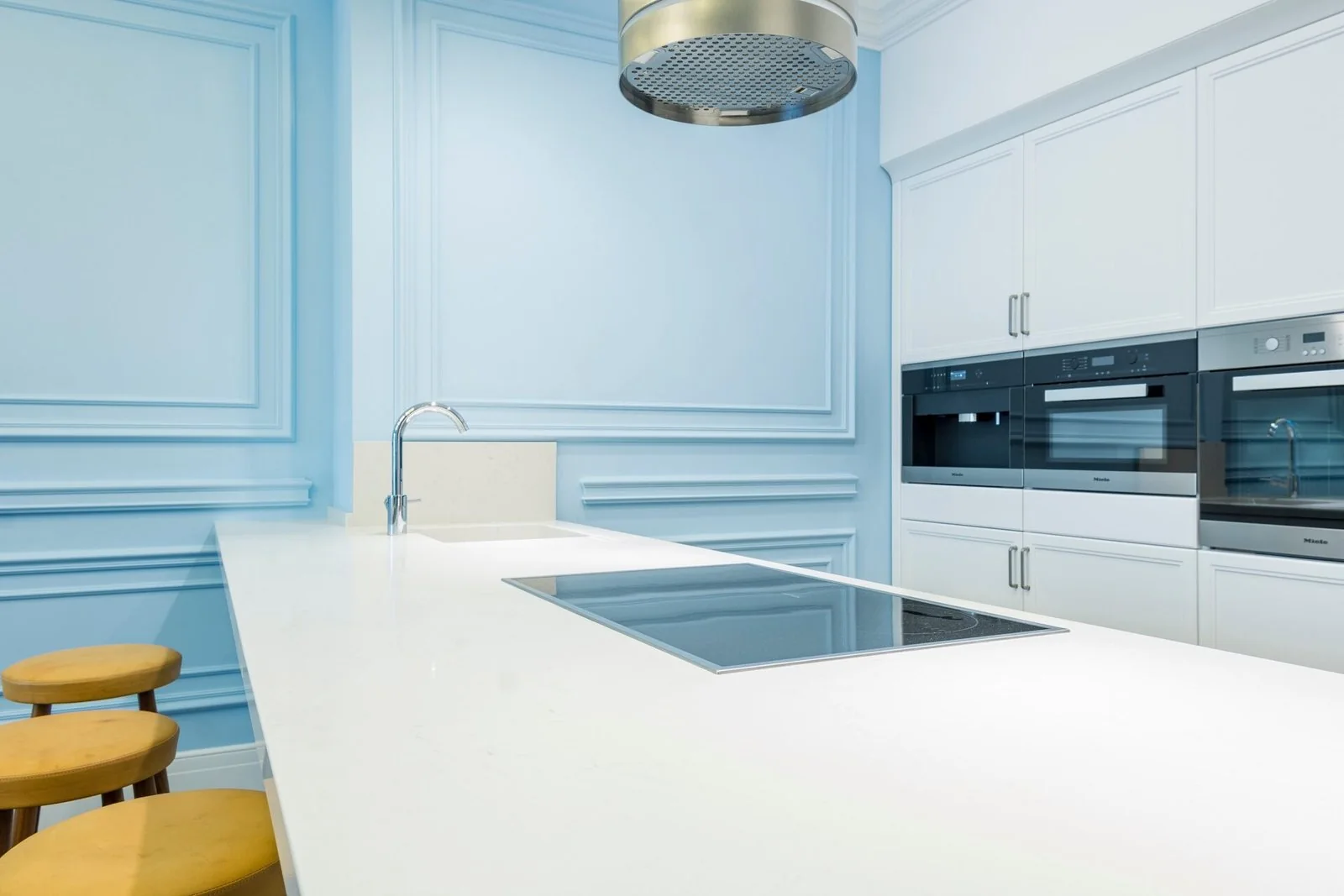
Compare the kind of wear you expect
| Option | Useful strength | Main tradeoff to discuss |
|---|---|---|
| Quartz | Stain resistance and no routine sealing | Heat protection and exposed edges |
| Granite | Everyday wear resistance and natural character | Slab-specific sealing and variation |
| Dekton | Heat, stain, and scratch resistance | Edge details and installation requirements |
| Soapstone | Low absorption and heat tolerance | Softer surface and visible marks |
| Stainless steel | Practical working surface | Scratches, water marks, and dents |
| Concrete | Custom shapes and finishes | Sealer performance and maintenance |
| Porcelain | Low absorption and hard surface | Impact at edges and cutouts |
| Solid surface | Potential for refinishing | Scratches and heat sensitivity |
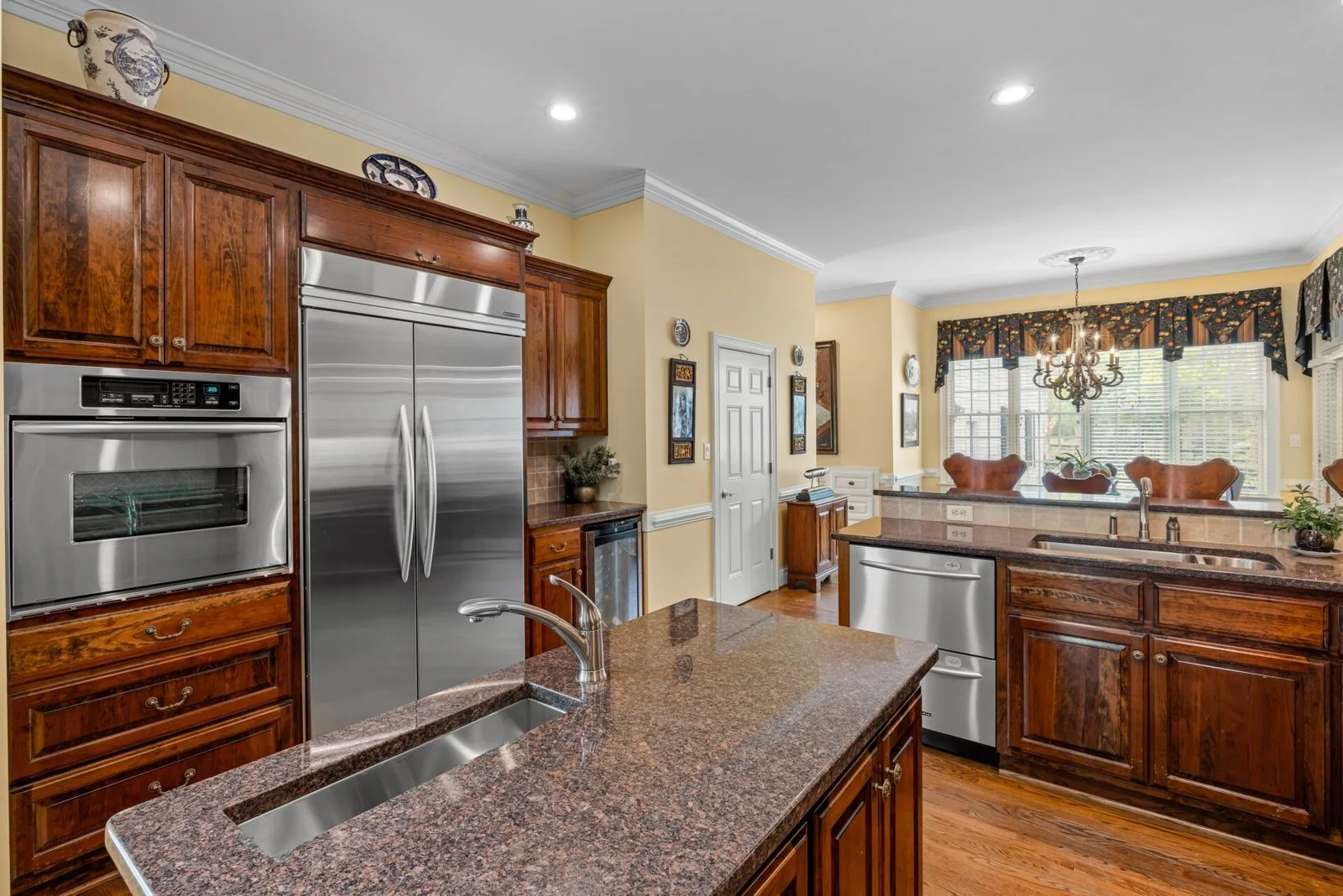
Installation belongs in the durability conversation
A strong material still needs the right foundation. Cabinet readiness, overhang supports, cutouts, and access into the home should be resolved before installation.
When comparing countertop installation proposals, check that they describe the same work. Removal, backsplash changes, and sink details can affect the project even when the new material stays the same.
Top Granite provides a 5-year workmanship warranty on our installation work, separate from manufacturer product coverage. Ask our team to confirm which materials and applications we can accommodate for your project.
Frequently asked questions
Which countertop is impossible to scratch?
None should be promised scratch-proof. Resistance varies by material, finish, and the object contacting it. Use cutting boards and follow the selected product's care guidance.
Is the hardest countertop always the most durable?
No. Hardness does not describe every kind of damage. Edge impacts, heat exposure, staining, support, and repairability all affect how a countertop performs in a particular kitchen.
Should I replace a countertop because it has a mark?
Not automatically. Identify the material and ask for an assessment of the damage first. Some marks can be cleaned or repaired, while other problems may call for a larger change.
Match the material to your everyday kitchen
Start your comparison with the Budget planner to organize the work and features you need. Then contact Top Granite at 206-653-4479, serving greater Seattle and the Eastside from Lynnwood, to discuss suitable countertop options.