
Quartz may be a better fit than granite if you want a countertop without routine sealing, a particular manufactured design, and a simple cleaning routine. Granite remains a strong option for natural variation and heat resistance. The right choice depends on the specific surfaces, your kitchen habits, and the installation plan, rather than a claim that one material wins in every category.
Start with the material difference
Quartz countertops are engineered surfaces made with mineral ingredients, binders, and pigments. Granite is a natural stone cut into slabs, with variation created by its geological formation.
Both can work well in busy kitchens. Both also require a suitable layout, proper support, careful installation, and reasonable protection during use.
When you compare quartz countertops with granite countertops, identify what you want to improve in your present kitchen. The reasons below are useful decision points, not a scorecard that every homeowner must follow.
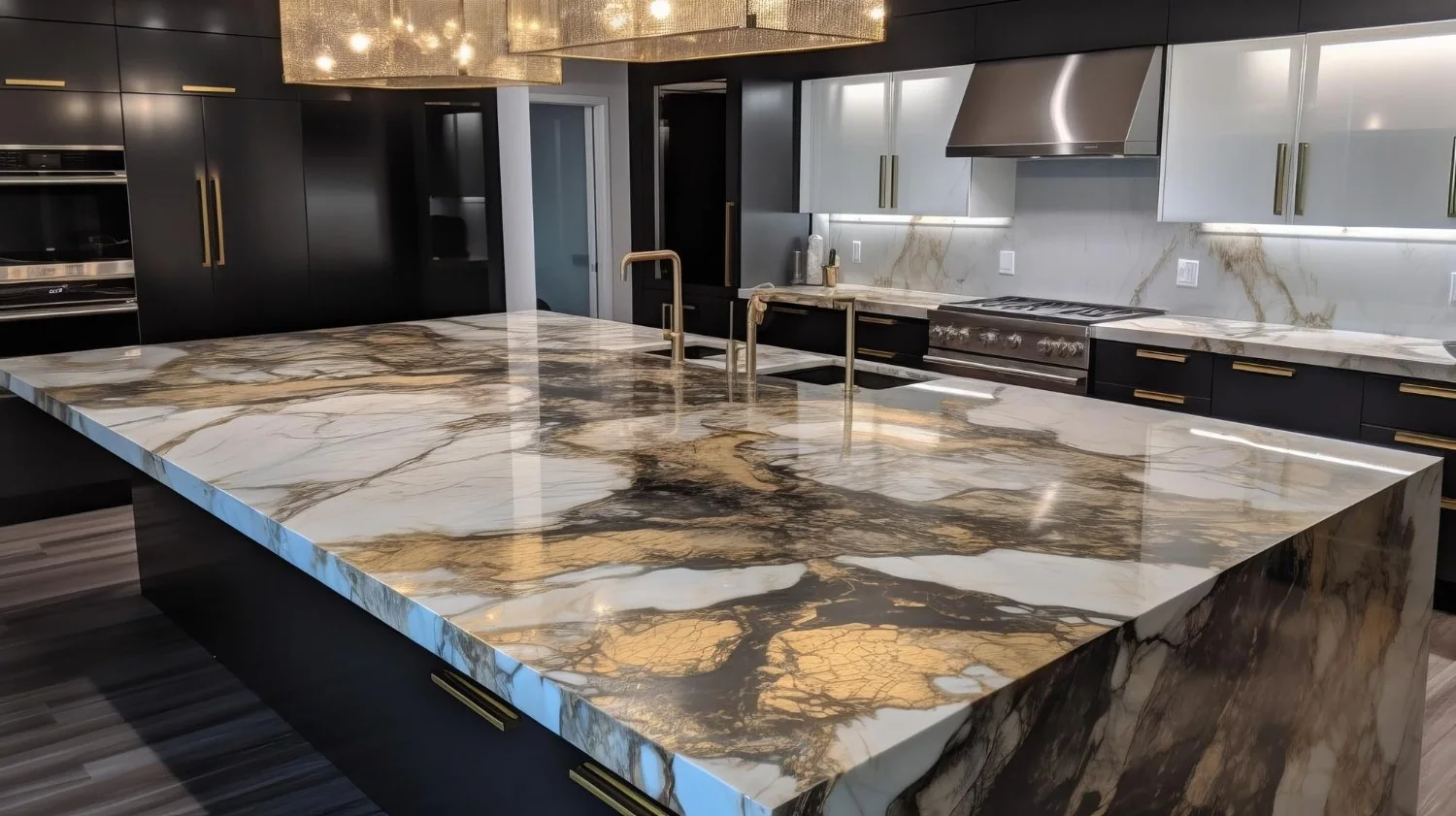
Seven reasons quartz might fit your home
1. You want to skip routine sealing
Quartz generally does not require routine sealing. That can appeal to homeowners who prefer fewer periodic maintenance decisions.
Granite's sealing needs vary by stone and treatment, so it is inaccurate to say every granite counter needs the same annual schedule. Ask about the exact slab rather than ruling out the whole category based on a generic maintenance claim.
2. You value resistance to everyday spills
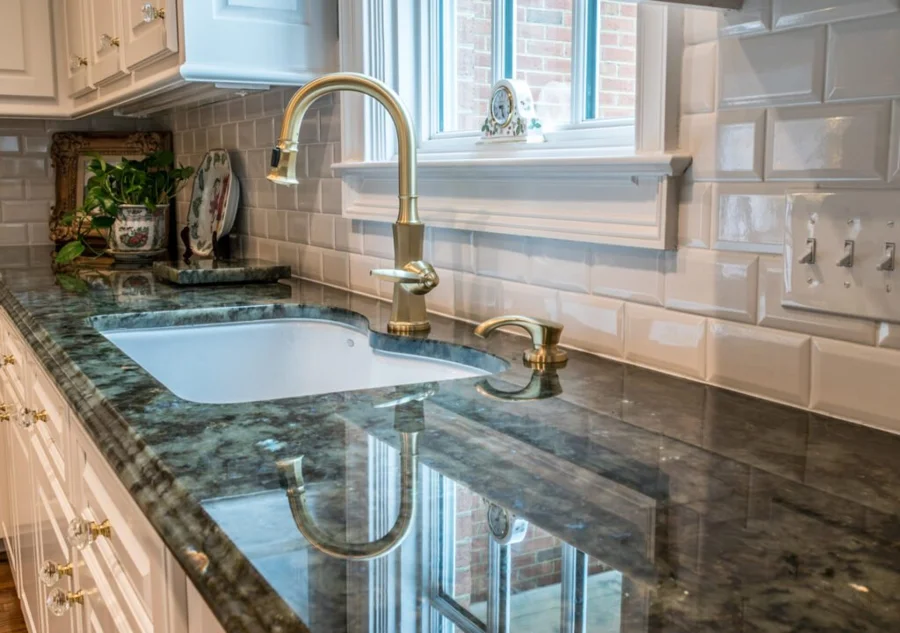
Quartz's nonporous surface helps resist many common kitchen stains. It can be a useful choice around a coffee station, baking area, or family kitchen where spills are part of normal use.
Still, stain resistant does not mean stain-proof. Clean spills promptly and follow the manufacturer's instructions, including any restrictions on chemicals and cleaning tools. Granite can also perform well with suitable care.
3. You are looking for a specific color direction
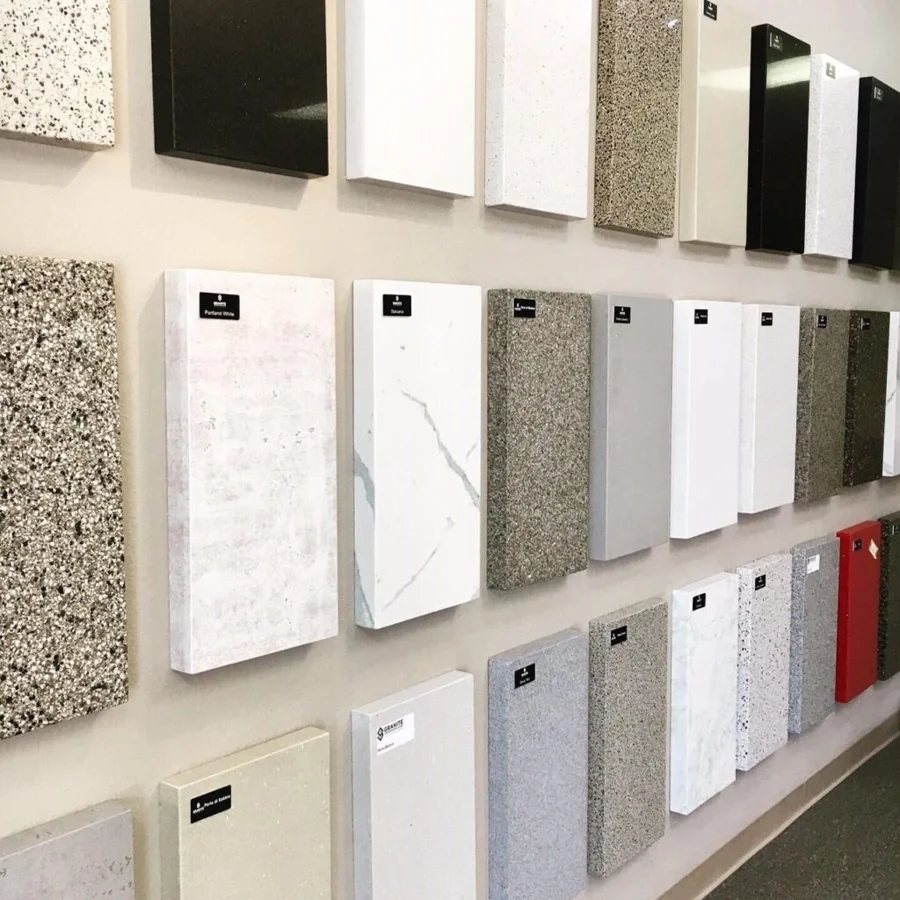
An engineered collection can make it easier to compare several versions of a preferred look, such as a quiet white, warm neutral, or gray-veined surface.
This is helpful when cabinets or flooring are staying in place. Instead of choosing a countertop alone, you can narrow the options to designs that work with those existing finishes.
4. You want a marble-inspired appearance
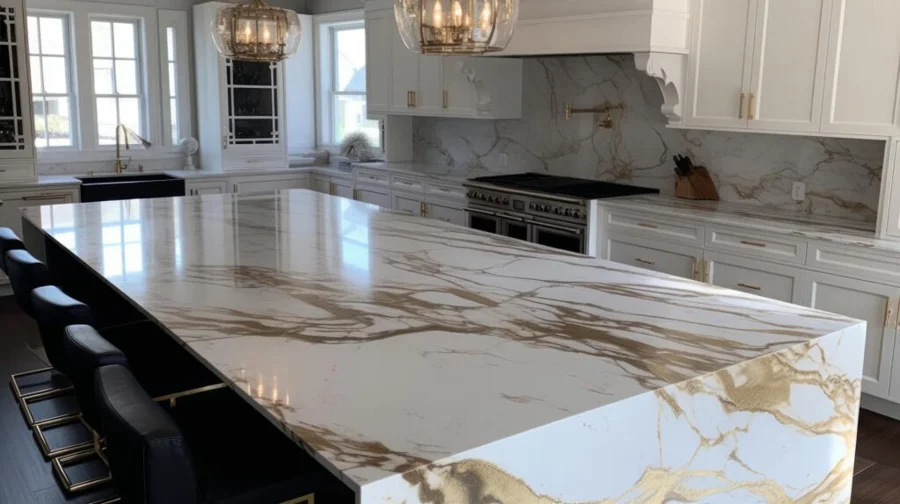
Quartz offers designs that reference marble without being natural marble. That can suit someone who enjoys a veined look but wants a different maintenance routine.
If you are deciding between the two, compare the appearance and care expectations of marble countertops directly. A photograph can make the surfaces look similar while leaving out the differences that matter in daily use.
5. You prefer to plan around a named design
A named quartz design gives you a reference when discussing samples, slabs, and project options. This can help organize a remodel with several surfaces or rooms.
It does not guarantee that every slab will look identical. Confirm the actual material and layout, especially where pieces meet, and do not assume a later purchase will be an exact match.
6. You want a straightforward care routine
For many quartz products, regular cleaning is simple when you use the recommended method. The MSI quartz care guide explains cleaning precautions and the need to protect surfaces from damaging exposure.
The best routine is one you will actually follow. Keep suitable cleaners, cutting boards, and heat protection close to the areas where you prepare food and use countertop appliances.
7. You prefer to compare complete design alternatives
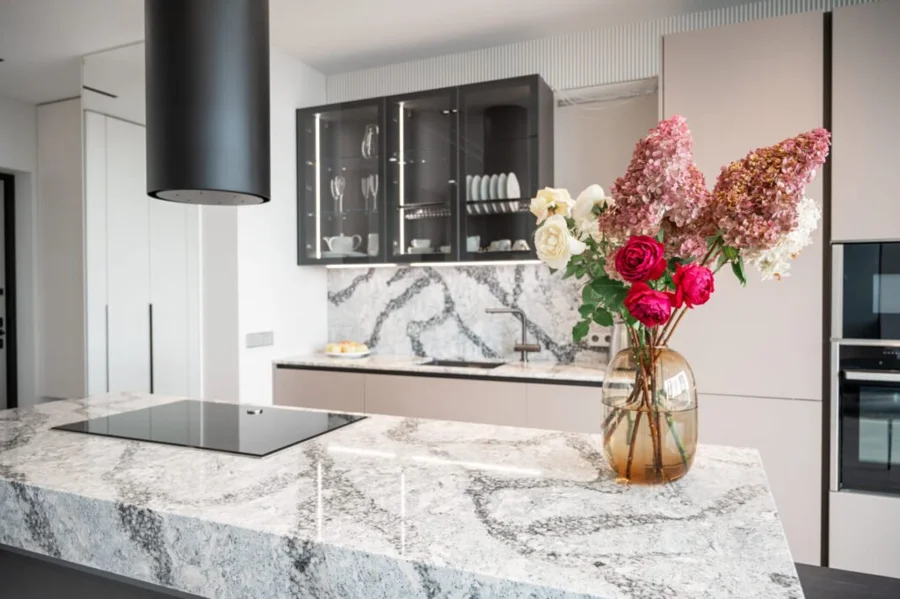
Quartz collections can help you explore different visual directions without changing the basic material category. You might compare a subtle perimeter counter with a more expressive island, or one consistent design throughout.
Make each option a complete project comparison. Include slab use, edges, cutouts, supports, and installation so your decision reflects the finished kitchen rather than the sample price alone.
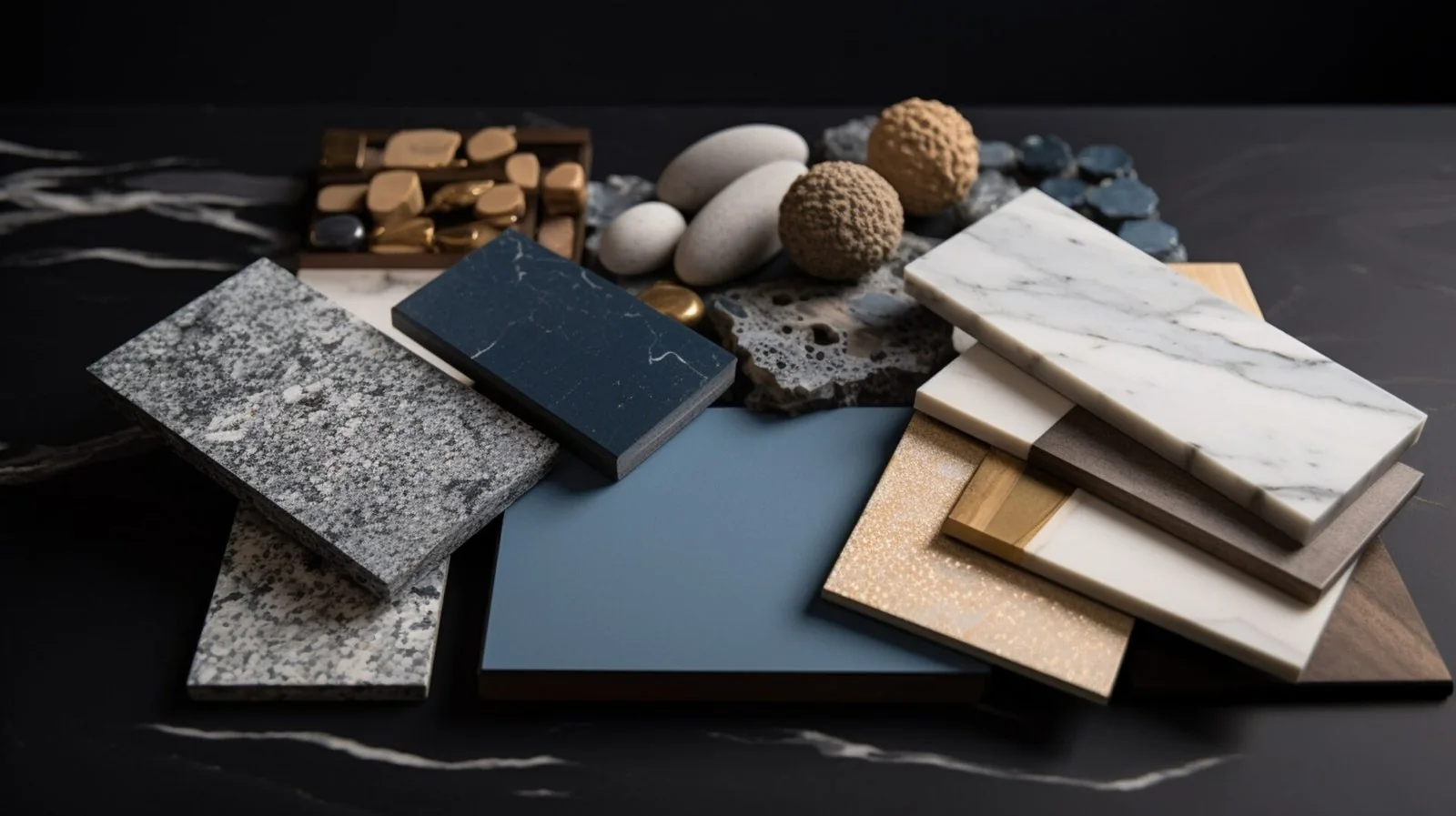
Where granite may be the better choice
Granite is worth a close look if the individuality of natural stone is what you enjoy most. The actual slab can bring mineral variation and movement that become part of the room's character.
Granite generally handles heat better than resin-bound quartz, but trivets are still a sensible precaution. Treatments, thermal stress, and surrounding installation details can affect how a finished countertop responds.
Its care needs should also be assessed accurately. The Natural Stone Institute discusses granite sealing in the context of the stone's characteristics, rather than treating every slab alike.
If you already like your granite and it is in good condition, replacement is not automatically necessary. First identify whether the concern is appearance, a damaged area, or a change to the kitchen layout.

Quartz and granite at a glance
| Priority | Quartz | Granite |
|---|---|---|
| Pattern | Manufactured designs, including marble-inspired looks | Natural variation from slab to slab |
| Routine sealing | Generally not needed | Depends on the stone and treatment |
| Heat | Protect from direct and sustained heat | Usually more heat tolerant; use protection |
| Scratches and chips | Resistant, but damage is possible | Resistant, but damage is possible |
| Seams | Placement and pattern need planning | Placement and pattern need planning |
| Budget | Design, slab use, and scope determine the total | Slab selection, layout, and scope determine the total |

Plan the replacement before removing the old counter
Switching from granite to quartz is a project decision as well as a material decision. Review the condition of the cabinets, sink dimensions, appliances, and backsplash before deciding how the new surface will fit.
A different thickness can affect transitions at walls and adjacent finishes. The sink cutout and faucet placement also need to match the selected fixtures, not merely the outline of the old countertop.
Our countertop replacement process helps define those details before removal and fabrication. Top Granite coordinates fabrication, and our own team installs the finished pieces.
Our installation work carries a 5-year workmanship warranty. Any manufacturer product coverage is separate, so review both sets of written terms when comparing project proposals.
Make the choice around your habits
Think through an ordinary day in the kitchen. Where does hot cookware land, who cleans after meals, and which surfaces collect coffee, oil, or cooking residue?
Then look at the room itself. A highly patterned slab might be exactly what a simple kitchen needs, while a quiet surface might better support cabinetry or tile you already love.
A good decision connects those practical and visual priorities. Neither quartz nor granite needs exaggerated claims to be worth considering.
Frequently asked questions
Is quartz always less expensive than granite?
No. Either material can produce a higher or lower project total depending on the selection and scope. Compare estimates with the same layout, removal, edges, cutouts, and installation requirements.
Will quartz countertops have invisible seams?
No material should be promised invisible seams. Their appearance depends on placement, pattern, color, fabrication, and installation. Review the proposed layout before the pieces are cut.
Can regular indoor quartz be used outdoors?
Do not assume so. Outdoor suitability is product-specific, and sunlight or exposure may affect an indoor-only surface. Check the manufacturer's written approval for the exact material and application.
Choose the surface that works for you
Use the Budget planner to explore your countertop replacement priorities and project scope. Then contact our team at 206-653-4479, serving greater Seattle and the Eastside from Lynnwood, to compare suitable quartz and granite options.